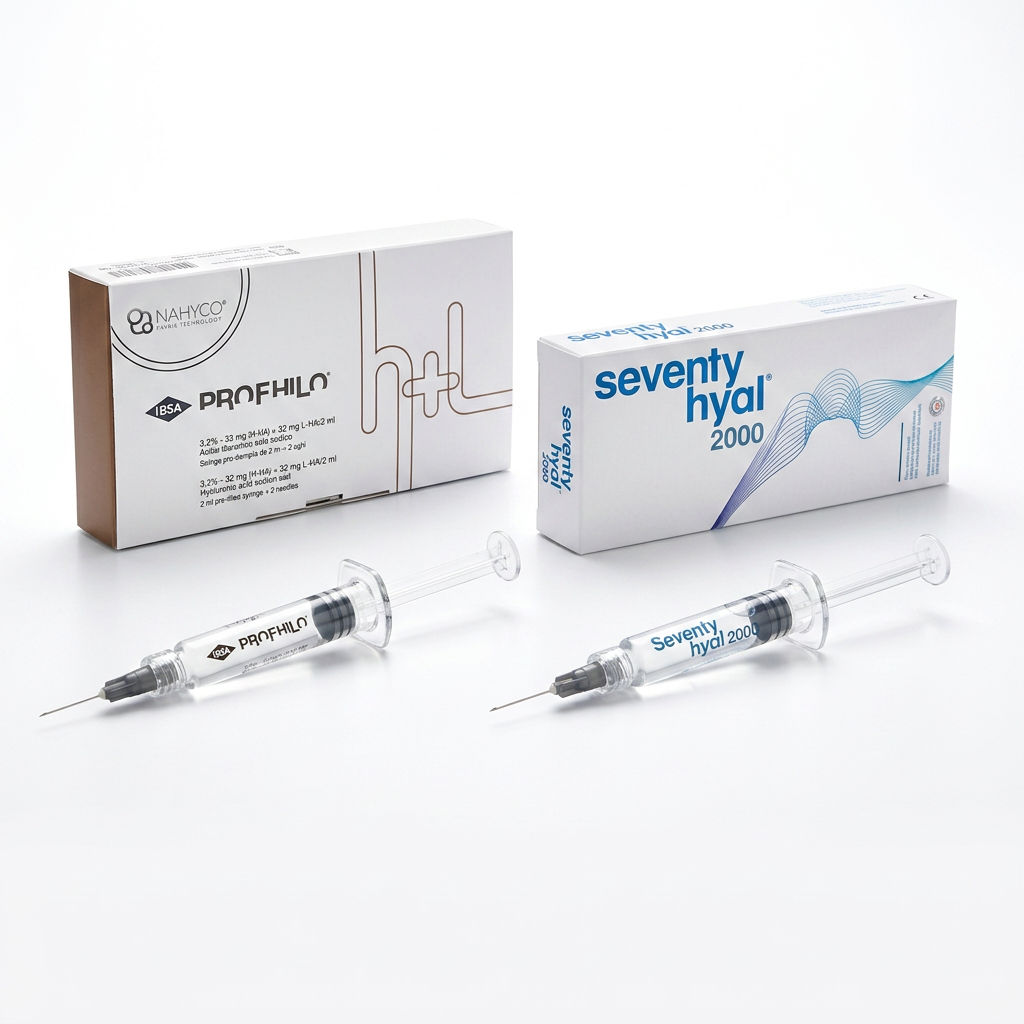

Safest Fillers for Face
Face fillers are very trendy in the ever-evolving era of aesthetics as a highly effective procedure for those who want to enhance their appearance. Since there are so many products available, the question always raised is whether face fillers are safe. Understanding the safest fillers for face is not just crucial for patients but also for practitioners so beauty treatments are not just effective but safe as well.

The Importance of Facial Filler Safety
Before delving into the details of the safest face fillers, it’s important to know why safety is paramount. Fillers are injected into the skin to restore volume, smooth wrinkles, and define facial contours. But with the wrong filler or incorrect method, there are problems, such as infections, allergic reactions, and poor aesthetic outcomes. Medical professionals, therefore, need to know the products they inject and the potential dangers.
What Are the Safest Face Fillers?
The below table provides a concise overview of some of the safest face fillers currently available on the UK market today:
| Filler Type | Main Ingredient | Duration of Effects | Common Uses | Safety Profile |
| Hyaluronic Acid | Hyaluronic Acid | 6-12 months | Lips, cheeks, under-eye areas | High, reversible |
| Calcium Hydroxylapatite | Calcium Hydroxylapatite | 12-18 months | Cheeks, nasolabial folds, chin | High, biocompatible |
| Poly-L-lactic Acid | Poly-L-lactic Acid | 18-24 months | Cheek, temple volume loss | Moderate, gradual results |
| Polymethylmethacrylate | PMMA | Permanent | Nasolabial folds, chin, jawline | Moderate, experienced injection required |
| Fat Grafting | Autologus Fat | Permanent | Multiple areas on the face | High, natural, yet surgical |
1. Hyaluronic Acid Fillers
One of the safest, most effective, and most sought-after facial fillers is Hyaluronic acid fillers. HA fillers are a natural substance found in the body that helps keep moisture and provides volume to the skin. The effect of HA fillers lasts around six to twelve months, which is a great choice for beginners or those who prefer temporary results.
Safety Profile:
HA fillers are extremely safe, with minimal or no risk of complications. The complications that do arise are mild and transient, e.g., bruising or swelling at the injection site. Also, HA fillers can be dissolved by hyaluronidase, an enzyme, which dissolves the filler in case of unwanted effects.
2. Calcium Hydroxylapatite Fillers
Calcium hydroxylapatite (CaHA) is a biocompatible filler, commonly applied to treat deeper lines and volumizing regions on the face such as cheeks and nasolabial folds. The filler stimulates the production of collagen and gives a more natural feel in the long run.
Safety Profile:
CaHA is favorably tolerated in terms of safety profile, and literature presents few reports of side effects. Importantly, it has longer results (up to 18 months) but is irreversible compared to HA fillers. The physicians should be trained in injection technique to minimize risk as of now.
3. Poly-L-lactic Acid Fillers
Poly-L-lactic acid fillers (PLLA) is a synthetic filler that is unique in that it induces the production of collagen by the body. It is optimal for individuals seeking gradual volume replenishment, particularly in areas whose elasticity has been compromised with age.
Safety Profile:
PLLA is safe but will require longer than one session of treatment to produce the optimum effect. Even though it will last for 24 months, the practitioners must take special precautions to advise patients on the delayed onset of the effect, and the possibility of temporary side effects of swelling and bruising.
4. Polymethylmethacrylate Fillers
Polymethylmethacrylate (PMMA) fillers are a semi-permanent filler consisting of extremely fine microspheres suspended in a gel. They are usually used for deeper wrinkles and to define the face.
Safety Profile:
Although PMMA fillers yield long-term outcomes, they are also at greater risk of complications. The microspheres have the ability to form granulomas, and as the outcomes are nonreversible, they require an expert injector who is highly skilled at managing side effects.
5. Fat Grafting
Fat grafting, or autologous fat transfer, harvests fat from another part of the patient’s body and transfers it to the face. It produces extremely natural results and is becoming increasingly popular with patients looking for a more permanent solution.
Safety Profile:
Fat grafting is extremely safe with an excellent safety profile because it is the patient’s own tissue, and there is minimal possibility of any allergic reaction. But it is a procedure and must be done with experience and expertise to get the best results.
Choosing the Best Filler: Considerations

While choosing what are the safest fillers for face, some things to consider are:
Patient Profile:
Each patient is unique in terms of his/her needs and medical history. Practitioners must decide whether a particular filler can be used or not according to the age, skin type, and the patient’s aesthetic requirements.
Wanted Results:
Finding out also whether a patient would prefer transient augmentation or long-lasting results is necessary. Patients who are desirers for temporary results will benefit more with fillers such as HA, while patients wishing results to remain for longer could be contented with PMMA or fat injection.
Practitioner Expertise:
Injector competence and experience are key determinants of the filler’s safety and effectiveness. Beauty therapists must be properly trained and educated on current techniques and safety protocols.
Post-Treatment Care:
Patient education regarding skin care post-treatment can significantly impact results and reduce the likelihood of complications.
Conclusion
In all, the subject of facial fillers is varied, yet like all cosmetic procedures, safety is paramount. An understanding of what are the safest fillers for face and both the practitioner and the patient are familiar with the same is of paramount consideration. Through the application of good quality and clinically tested and proven fillers, physicians can treat their clients with effective but safe measures that make them beautiful while maintaining them healthy.
For more information about safe and effective beauty treatments, visit [Skin On You](https://skinonyou.com/).