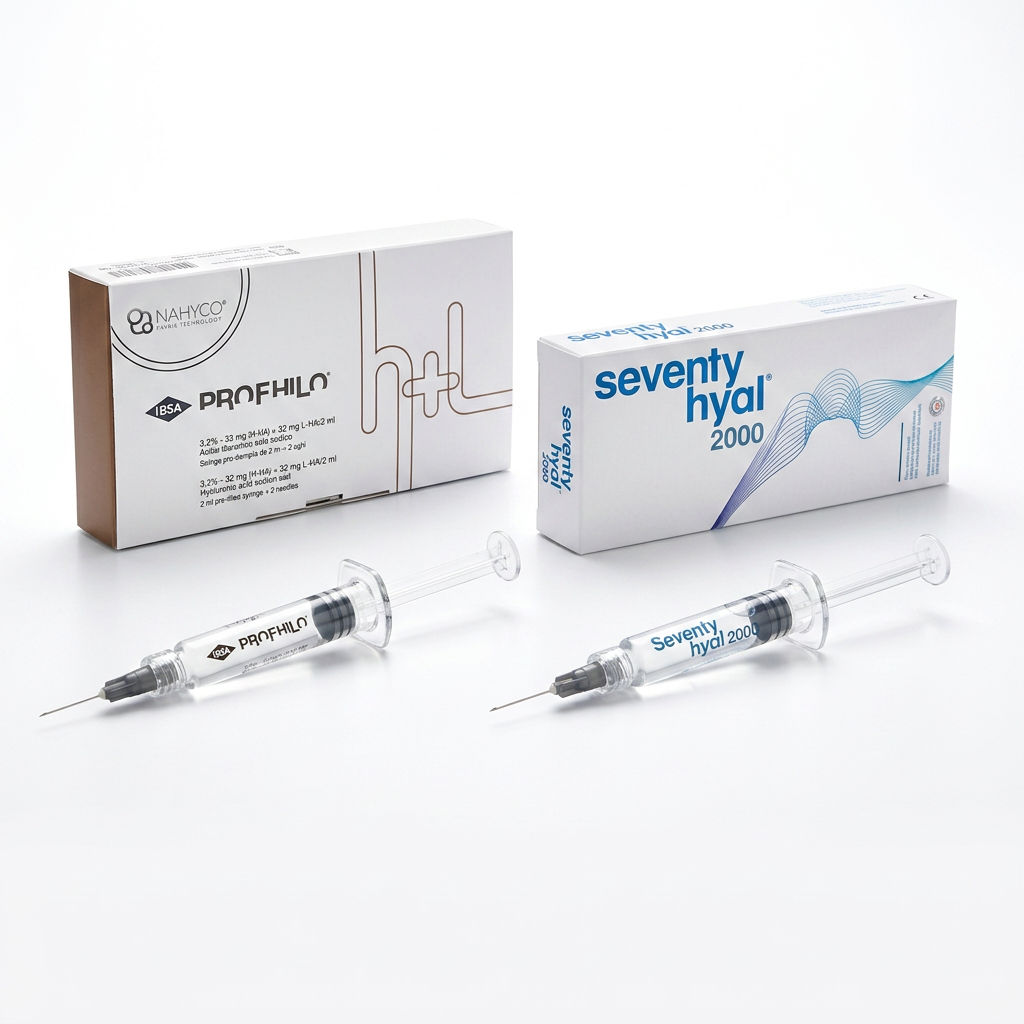


Hyaluronic acid (HA) fillers are one of the most requested treatments in UK aesthetic clinics. Your patients come in having seen results on social media, filtered images, and heavily edited before and after galleries. Your job is to show them what real, well-executed results look like, and to document yours with the precision that protects you and builds your reputation. This guide gives you the clinical grounding and practical tools to do both.
What HA Fillers Actually Do to the Skin
Hyaluronic acid is a glycosaminoglycan found naturally in the skin, connective tissue, and synovial fluid. In the skin, it binds water molecules and maintains hydration, volume, and structural support. From your mid-20s, natural HA production declines. By the time most patients sit in your treatment chair, they have lost significant dermal HA, contributing to hollowing, fine lines, and reduced skin elasticity. Injectable HA fillers restore that lost volume and hydration directly at the treatment site.
How HA Attracts and Retains Moisture
HA is highly hygroscopic. A single gram of HA holds up to 6 litres of water. When you inject HA filler into the dermis or subcutis, it immediately draws moisture from surrounding tissue. This creates the visible plumping and volumising effect your patients see within the first 24 to 72 hours. The swelling your patients experience post-treatment is partly this absorption process working as intended, which is why final results stabilise at two weeks.
The Role of Crosslinking in Results
Raw HA degrades quickly in the body. Without modification, it breaks down within 24 to 48 hours. Crosslinking is the process that gives HA fillers their durability. By chemically or thermally linking HA chains together, manufacturers create a gel matrix that resists enzymatic degradation and retains its position at the injection site. The degree and method of crosslinking directly determines how a filler behaves, how long it lasts, and where it sits in the tissue.
Crosslinked vs Non-Crosslinked HA: What Every Practitioner Should Know
This is one of the most misunderstood areas in aesthetic medicine. Many practitioners stock and inject both types without fully understanding the clinical implications of each. Here is what you need to know.
What Crosslinked HA Means and Why It Matters
Crosslinked HA fillers use a chemical agent, most commonly BDDE (1,4-Butanediol Diglycidyl Ether), to bond HA chains together. This creates a cohesive gel with a defined structure that holds its shape after injection. The resulting product has:
- Higher G prime (G’) values, meaning greater firmness and lifting capacity
- Longer longevity, typically 6 to 18 months depending on product and treatment area
- Predictable placement, staying where you inject it
- Greater resistance to hyaluronidase
Crosslinked HA is the right choice when your patient needs structural support, volume, or definition. Products like Juvederm Voluma, Restylane Lyft, and Stylage XL all use crosslinking to achieve their lifting and volumising effects. Higher crosslink density means a firmer gel. Lower crosslink density means a softer, more flexible product suited to superficial lines and delicate areas like the tear trough.
What Non-Crosslinked HA Does Differently
Non-crosslinked HA is a free-chain molecule with no chemical modification. It spreads evenly through tissue rather than holding a fixed position. This makes it unsuitable for volumising or structural work. What it excels at is skin quality improvement: deep hydration, stimulation of skin cells, and improvement of skin texture and luminosity.
Because it carries no crosslinking agent, non-crosslinked HA has an excellent biocompatibility profile and a very low risk of adverse reaction. It metabolises naturally and quickly. This is why non-crosslinked HA is preferred for skin boosters and hydration treatments rather than structural correction. The trade-off is longevity: it breaks down faster and requires a more frequent treatment schedule.
A 2025 peer-reviewed study published in the Journal of Cosmetic Dermatology (Fontenete et al., 2025) confirmed that non-crosslinked and crosslinked HA fillers exhibit fundamentally different rheological behaviours under shear stress, with non-crosslinked products showing far greater variation in storage modulus. This means their behaviour in tissue is less predictable structurally, but this is by design for skin quality applications.
Profhilo: The Exception That Bridges Both Worlds
Profhilo sits in a category of its own. It is technically non-crosslinked, meaning it contains no BDDE or other chemical crosslinking agent. Yet it behaves differently from other non-crosslinked HA products, and this is where many practitioners get confused.
IBSA, the Italian manufacturer of Profhilo, developed a patented process called NAHYCO Hybrid Technology. This thermal process combines 32mg of high molecular weight HA (H-HA: 1100-1400 kDa) with 32mg of low molecular weight HA (L-HA: 80-100 kDa). The two chains are heated to break hydrogen bonds, then cooled so the H-HA and L-HA molecules form new hydrogen bonds with each other. This creates what IBSA calls a Hybrid Cooperative Complex (HCC).
The result is a product with 64mg/2ml of pure HA, making it one of the highest concentration HA injectables available. No synthetic crosslinkers are used. Yet the thermal bond between H-HA and L-HA gives Profhilo stability and resistance to degradation that standard non-crosslinked HA cannot achieve. It spreads cohesively through tissue, which is why the Bio Aesthetic Points (BAP) protocol works, stimulating collagen types I, III, IV, and VII as well as elastin, improving skin quality, firmness, and laxity.
The practical take for your clinic: Profhilo is the right product when your patient needs skin quality improvement, not volume. It does not add structure. It bio-remodels. If a patient needs volume or definition, a crosslinked filler is the correct choice. Many practitioners use both in the same treatment plan: Profhilo to improve skin quality, and a structural crosslinked filler to restore volume where needed.
You can find Profhilo at Skin On You here: Profhilo at Skin On You. For the official clinical and technology documentation, visit IBSA Derma’s NAHYCO Technology page.
Before and After Results by Treatment Area
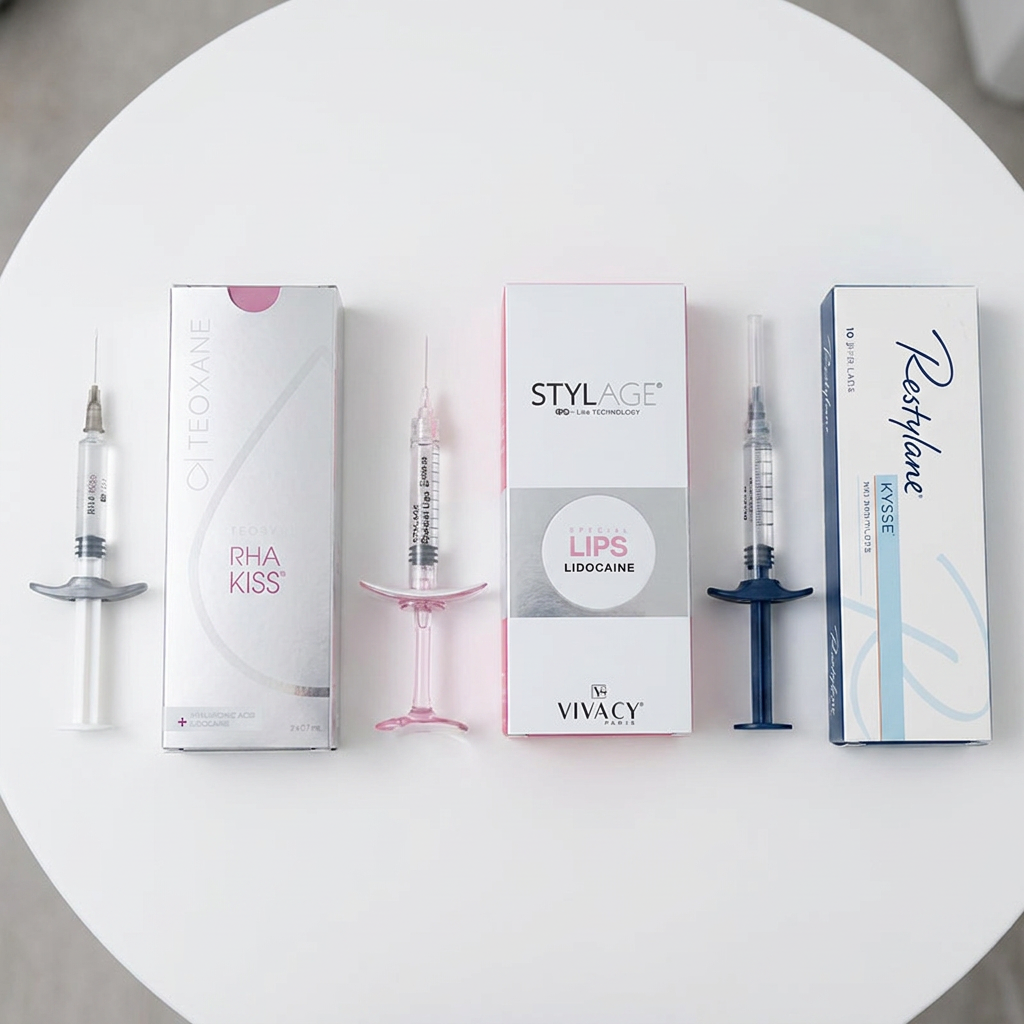
Understanding what realistic results look like by treatment area is critical. It shapes how you consult, what you promise, and how you document your outcomes.
Under-Eye and Tear Trough
The tear trough is one of the most technically demanding areas. Patients present with hollowing, dark shadows, and early festooning. A well-placed low-G’ crosslinked HA filler, such as Restylane or Belotero Balance, reduces the shadow and restores volume. Before photos should be taken in neutral lighting without any makeup. Results settle fully at two weeks. Teach your patients that immediate post-treatment swelling is normal and does not represent the final outcome.
Lips and Perioral Area
Lip filler results depend heavily on patient anatomy and the product used. Before photos taken at rest, pursed, and smiling give you a complete baseline. Natural results in the lips require a flexible, medium G’ product that moves with facial expression. Perioral lines benefit from a low-G’ product injected superficially. Patients frequently underestimate healing time. Swelling at 48 to 72 hours looks very different to the settled result at two weeks.
Cheeks and Mid-Face
Mid-face volume loss is the most significant driver of facial ageing. Restoring cheek volume with a high-G’ structural filler lifts the lower face, softens nasolabial folds, and creates a more youthful facial triangle. Before and after photos from 45-degree angles are essential here to show the depth of correction. Results in this area typically last 12 to 18 months depending on the product used.
Nasolabial Folds and Marionette Lines
Direct filler injection into nasolabial folds is often less effective than mid-face volumisation, which provides indirect lift to the fold. Document both areas in your before photos. Marionette lines require a medium to high G’ product with good structural support, placed deep to lift the tissue. Show patients that the goal is softening, not elimination. Deep folds do not disappear with filler alone.
Setting Realistic Expectations With Patients Before Treatment
Timeline of Results: Day 1 to Week 4
Day 1 to 3: Swelling, tenderness, possible bruising. Results look exaggerated. Reassure your patient this is normal.
Days 3 to 7: Swelling subsides. Initial shape becomes visible. Filler continues integrating with tissue.
Week 2: Results fully settled. This is the correct point for your before and after comparison photo.
Week 4: Ideal time for a review appointment to assess whether a touch-up is needed.
What Good Results Look Like vs Overcorrection
Train your patients to identify well-executed results by showing them your own clinical photography. Good results enhance facial harmony and look natural at rest and in movement. Overcorrection creates unnatural projection, visible lumps, or restricted facial movement. Refer patients to the Save Face registered practitioner directory if they ask how to identify a qualified provider, and make sure your own registration is current.
How to Document and Use Your Before and After Photos Professionally
Photography Best Practice for UK Practitioners
Consistent photography is a clinical and marketing asset. Follow this protocol:
- Same neutral background for every patient, every appointment
- Consistent lighting: no ring light in after photos if not used in before photos. The ASA has upheld complaints against clinics for this exact issue
- Capture frontal, left 45-degree, right 45-degree, and profile views as a minimum
- Photograph at rest and during expression where relevant (especially lips)
- Date-stamp every image and link it to the patient record
- Label published images as ‘Patient consented. No filters used.’ for marketing use
Consent and Legal Considerations in the UK
Informed consent for photography is separate from treatment consent. Your patient must give explicit written consent for clinical records use, and separate consent for any marketing or social media use. Generic consent boxes are no longer acceptable under current guidance from the JCCP and CQC. From June 2025, NMC nurse prescribers must consult face-to-face before prescribing, and your documentation of consultations must reflect this. Photographs form part of your patient record and are subject to UK GDPR and data protection law.
Important: You cannot use the brand name Botox in advertising. Under the Human Medicines Regulations 2012, botulinum toxin is a prescription-only medicine. Use ‘anti-wrinkle injections’ or ‘botulinum toxin treatment’ in all public-facing content.
Which HA Fillers Deliver the Best Before and After Results
Top Performing Brands Available at Skin On You
The following HA filler ranges are available through Skin On You Pharmacy, all sourced from verified manufacturers:
- Juvederm (Allergan Aesthetics): Vycross technology. Outstanding longevity for cheeks, jawline, and deep folds.
- Restylane (Galderma): NASHA and OBT technology. Versatile range from skin boosters to structural volumisers.
- Stylage (Laboratoires Vivacy): IPN-Like technology with mannitol antioxidant. Excellent for sensitive skin and patients prone to swelling.
- Belotero (Merz Aesthetics): CPM technology. Best-in-class for superficial lines and tear trough due to seamless dermal integration.
- Profhilo (IBSA Derma): NAHYCO Hybrid Technology. The market-leading bio-remodeller for skin quality improvement.
- Teoxane: RHA (Resilient Hyaluronic Acid) technology. Designed to adapt to facial movement for natural dynamic results.
Browse the full HA filler range at Skin On You: Shop Dermal Fillers.
Frequently Asked Questions From Patients
How long do hyaluronic acid filler results last?
This depends entirely on the product, the treatment area, and the patient’s metabolism. Lip fillers typically last 6 to 12 months. Cheek and structural fillers last 12 to 18 months. Skin boosters like Profhilo require maintenance sessions every 4 to 6 months after the initial course.
Does HA filler look natural?
In skilled hands with the correct product for the indication, yes. The key is matching product firmness to the treatment area and injecting the right volume. Overcorrection is the most common cause of unnatural results.
Is HA filler reversible?
Yes. All hyaluronic acid fillers can be dissolved with hyaluronidase. This is one of HA’s key advantages over non-HA fillers. Every practitioner administering HA filler in the UK should carry hyaluronidase and know the correct dosing protocol for emergency dissolution.
When will my patients see the final result?
Tell your patients that two weeks post-treatment is when results are fully settled and ready to photograph. Anything before that represents the healing phase, not the final outcome.
Stock the UK’s leading HA filler brands at competitive wholesale prices. Skin On You Pharmacy is a UK GPhC-registered pharmacy supplying aesthetic practitioners, doctors, nurses, and skin clinics. Register and shop now at skinonyou.com
Related Articles on Skin On You
You may also find these clinical guides useful:
- Restylane vs Belotero: Clinical Comparison for Aesthetic Practitioners
- Profhilo Structura: Clinical Review
- Profhilo vs Polynucleotides: Clinical Comparison for Aesthetic Practitioners
- Best Dermal Fillers for Patients Over 50