
 Biorepeel before and after
Biorepeel has completely transformed skin rejuvenation in the UK aesthetics industry. It’s a fresh combination of exfoliating, hydrating, and bio-stimulating the skin that treats such concerns as wrinkles, acne, and pigmentation. What sets Biorepeel apart? Let’s discover about the biorepeel before and after results, supported by clinical evidence and patient testimonials.
What is Biorepeel?
Biorepeel is a two-step chemical peel that, besides exfoliating the skin, also has active ingredients like trichloroacetic acid (TCA), vitamins, and amino acids. It is mild compared to other peels and can be used on sensitive skin types. The treatment becomes effective through:
- Exfoliating dead skin cells for a new layer.
- Stimulating collagen for better elasticity.
- Hydrating and nourishing the skin for an even glow.
Biorepeel Before and After: Physical Changes
1. Wrinkles
Before: Fine wrinkles, deep folds, sagging skin.
After: Wrinkles decreased to a large extent, smoother and firmer skin.
Biorepeel before and after photos wrinkles show striking contrasts in texture and elasticity.

2. Acne
Before: Acne, red and bumpy skin texture, scarring skin.
After: Biorepeel acne before and after photos show less scar, inflammation, with clearer and smoother skin.


3. Pigmentation
Before: Melasma, dark spots, and uneven skin tone.
After: Biorepeel before and after pigmentation pictures demonstrate a smoother complexion with lighter hyperpigmentation.


Biorepeel Before and After 1 Treatment
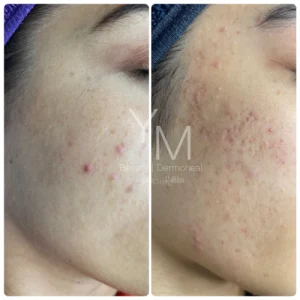

The most noticeable characteristic of Biorepeel is the instant impact. A single treatment makes patients feel:
- Brighter, more radiant complexion.
- Fewer fine lines and acne scarring, less noticeable.
- Improved hydration and texture.
For the best results, a series of 4-6 treatments 7-10 days apart is advisable.
Biorepeel vs. Traditional Peels: How They Compare
| Feature | Biorepeel | Traditional Peels |
|---|---|---|
| Exfoliation Gentle | controlled Aggressive | deeper penetration |
| Hydration | Yes (two-phase technology) | No |
| Downtime | Minimal to none | Moderate to significant |
| Suitability | All skin types | Restricted to specific skin types |
Post-Biorepeel Aftercare Instructions
- For best results, use the following post-Biorepeel aftercare instructions:
- Stay away from sun exposure to your skin and apply SPF 30+ daily.
- Use a mild moisturizer on your skin.
- Avoid harsh treatments such as retinoids or exfoliants for at least 7 days.
Conclusion
Biorepeel before and after results speak for themselves. Whether you’re targeting wrinkles, acne, or pigmentation, this treatment offers a safe, effective solution with minimal downtime. For UK-based practitioners, Biorepeel is a must-have in your aesthetic toolkit.
For more information about safe and effective beauty treatments, visit [Skin On You](https://skinonyou.com/).
FAQs
- Is Biorepeel safe to use on sensitive skin?
Yes, Biorepeel is safe and gentle to use on all skin types, including sensitive skin.
- How long do the effects of Biorepeel last?
Effects up to 6 months, depending on skin type and aftercare. Follow-up treatments are recommended.
- Can Biorepeel remove acne scars?
Yes. The exfoliating effect and collagen stimulation of Biorepeel readily minimize acne scars.