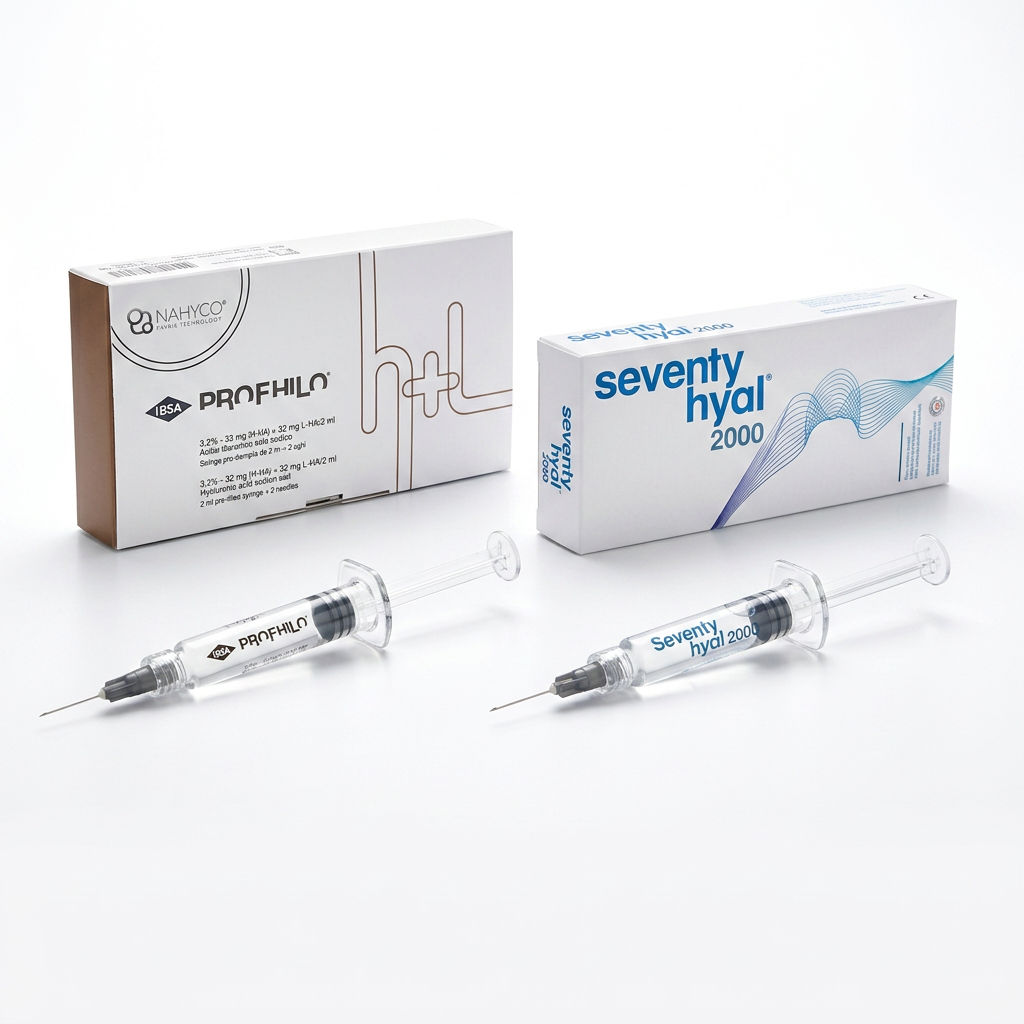

Lidocaine Dermal fillers
In the competitive field of aesthetic medicine, patient comfort is paramount. Clinic owners and doctors are continually seeking ways to improve the patient experience, ensuring satisfaction and fostering loyalty. That where we see the rise of Lidocaine infused dermal fillers ! At the end of the day most if not all of these treatments done in clinic are private so ensuring patients get the upmost is just good for business, is it not ?
Ensuring patients get the upmost treatment is just good for business, is it not ?
One of the most significant advancements in recent years has been the integration of lidocaine directly into the dermal fillers. This blog will delve into why adding lidocaine dermal fillers is beneficial, exploring its impact on patient comfort, treatment outcomes, and overall satisfaction. We will also highlight popular products such as Juvederm Ultra with Lidocaine, Restylane Volume with Lidocaine, and Belotero Balance with Lidocaine all of which we also sell via our pharmacy website where you can buy dermal fillers.
The Quest for Pain-Free Beauty
Imagine offering your patients a more comfortable, virtually pain-free aesthetic treatment experience. The fear of pain is a common barrier preventing many individuals from seeking aesthetic enhancements. We know many even that try an provide the best care to their patients without even using a needle since the patients do not want to feel a thing. However, with the advent of lidocaine dermal fillers, this obstacle is significantly minimised. Lidocaine, a local anaesthetic, has revolutionised the way fillers are administered, making procedures more bearable and inviting for patients. This innovation not only enhances patient comfort but also boosts the overall success and appeal of aesthetic treatments.
What is Lidocaine?
Lidocaine is a widely used local anaesthetic that works by blocking nerve signals in the body, thereby reducing pain and discomfort. It is commonly used in various medical procedures, including dental work, minor surgeries, and now, increasingly in cosmetic treatments such as dermal filler injections.
How Does Lidocaine Enhance Dermal Fillers?
When incorporated into dermal fillers, lidocaine provides localized pain relief during and after the injection process. This dual-action approach—where the filler restores volume and smooths wrinkles while lidocaine mitigates pain—creates a more pleasant experience for patients.
Benefits of Adding Lidocaine to Dermal Fillers
Enhanced Patient Comfort
The most immediate and apparent benefit of lidocaine in dermal fillers is the substantial reduction in pain during injections. Many patients report feeling only minimal discomfort or a slight initial pinch, which quickly subsides. This improvement in comfort can make aesthetic treatments more accessible to individuals who are apprehensive about needles or pain.
Improved Precision and Technique
When patients are more comfortable, clinicians can perform treatments with greater precision. The absence of significant pain allows for a steadier hand and more focused technique, which is particularly beneficial for procedures requiring meticulous attention to detail, such as lip augmentation or contouring delicate facial areas.
Increased Patient Satisfaction and Retention
A positive treatment experience is crucial for patient satisfaction. When patients undergo a comfortable procedure and achieve their desired results, they are more likely to return for additional treatments and recommend the clinic to others. This word-of-mouth can significantly boost a practice’s reputation and patient base.
Time-Efficient Procedures
The integration of lidocaine can streamline the treatment process. With less need for additional pain management measures, such as topical anesthetics or nerve blocks, procedures can be completed more quickly and efficiently. This efficiency can lead to higher patient throughput without compromising the quality of care.
Versatility in Treatment Options
Lidocaine-infused fillers are versatile and can be used in various aesthetic treatments, including facial contouring, lip enhancement, and wrinkle reduction. This versatility allows practitioners to offer a broad range of services while maintaining a high standard of patient comfort.
Highlighted Products with Lidocaine
Juvederm Ultra with Lidocaine
Juvederm Ultra with Lidocaine is a popular hyaluronic acid-based dermal filler used to smooth moderate to severe facial wrinkles and folds. The addition of lidocaine ensures a more comfortable injection process for patients, enhancing their overall experience.
Benefits
- Provides smooth, natural-looking results.
- Ideal for correcting nasolabial folds and enhancing lips.
- The lidocaine component significantly reduces injection pain.
Restylane Volyme with Lidocaine
Restylane Volyme with Lidocaine is designed for deep injection to add volume and fullness to the face, particularly in areas like the cheeks. The lidocaine in the formulation helps to alleviate discomfort during the procedure.
Benefits
- Adds volume and fullness to the face.
- Suitable for deep injections to achieve significant contouring.
- Enhanced patient comfort due to lidocaine.
Belotero Balance with Lidocaine
Belotero Balance with Lidocaine integrates smoothly into the skin, providing subtle and even results for moderate to severe facial wrinkles and folds. The lidocaine component makes the injection process more comfortable for patients.

Benefits
- Offers subtle and even integration into the skin.
- Effective for treating moderate to severe facial wrinkles.
- Reduced discomfort during the injection process.
Patient Assessment and Consultation
Before administering lidocaine-infused fillers, it is essential to conduct a thorough patient assessment. Discussing the patient’s medical history, allergies, and any previous reactions to anaesthetics will help ensure a safe and effective treatment plan. Clear communication about the benefits and potential risks associated with lidocaine will also help manage patient expectations.
Injection Technique
While the presence of lidocaine can enhance the injection experience, it is crucial for clinicians to maintain a high level of skill and precision. Understanding the properties of lidocaine-infused fillers, such as their viscosity and spreadability, will enable practitioners to achieve optimal results. Techniques may need to be adjusted slightly to accommodate these properties.
Managing Patient Expectations
Setting realistic expectations is key to patient satisfaction. While lidocaine significantly reduces discomfort, it may not eliminate all sensations. Informing patients about what to expect during and after the procedure will help them feel more prepared and reassured.
Monitoring and Aftercare
Post-treatment monitoring is vital to ensure patient safety and satisfaction. Advising patients on aftercare procedures, such as avoiding strenuous activities and following any specific guidelines provided by the clinician, will help minimize side effects and promote optimal results.
Conclusion: Elevating the Standard of Care
Incorporating lidocaine into dermal fillers represents a significant advancement in aesthetic medicine. By offering a more comfortable and efficient treatment experience, clinicians can attract and retain a broader patient base, enhance their practice’s reputation, and ultimately achieve better treatment outcomes. As the demand for minimally invasive cosmetic procedures continues to rise, the adoption of lidocaine-infused fillers will likely become an industry standard, benefiting both patients and practitioners alike.
By staying informed about the latest innovations and integrating them into practice, clinic owners and doctors can continue to provide exceptional care and remain at the forefront of aesthetic medicine.
For more information about safe and effective beauty treatments, visit [Skin On You](https://skinonyou.com/).
FAQs:
Is Lidocaine Safe for All Patients?
Lidocaine is generally safe for most patients, but it is essential to review each patient’s medical history for any potential contraindications or allergies. Patients with a known hypersensitivity to lidocaine or other local anesthetics should avoid its use.
How Long Does the Numbing Effect of Lidocaine Last in dermal fillers ?
The numbing effect of lidocaine typically lasts for one to two hours after injection. This duration can vary based on individual patient factors and the specific formulation of the filler used.
Can Lidocaine Dermal Fillers Be Combined with Other Treatments?
Yes, lidocaine-infused fillers can often be combined with other aesthetic treatments, such as botulinum toxin injections or laser therapies. However, careful planning and timing are essential to avoid complications and ensure the best possible outcomes.
Are There Any Side Effects Specific to Lidocaine?
The primary side effects of fillers with lidocaine are similar to those without it, including swelling, bruising, and redness at the injection site. Some patients may experience mild, transient numbness or tingling due to the lidocaine, but these effects typically subside quickly.
How Do Lidocaine dermal fillers Compare in Cost?
Lidocaine-infused fillers are often slightly more expensive than their non-lidocaine counterparts. However, the added benefit of reduced pain and enhanced comfort can justify the additional cost for many patients, making the investment worthwhile for both practitioners and patients.
References:
- American Society for Aesthetic Plastic Surgery. (2021). “Advancements in Patient Comfort with Lidocaine-Infused Dermal Fillers.”
- Clinical Aesthetic Review. (2019). “The Impact of Lidocaine on Dermal Filler Procedures and Patient Satisfaction.”
- Injectable Products. (2020). “A Comparison of Juvederm Ultra, Restylane Volume, and Belotero Balance with Lidocaine.”
- Aesthetic Medicine Journal. (2020). “Enhancing Patient Experience in Cosmetic Treatments through Lidocaine Integration.”