




Description
Clinical Description
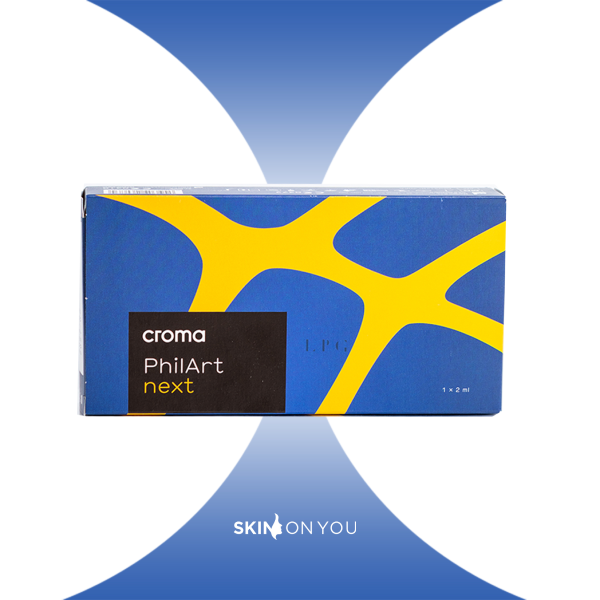
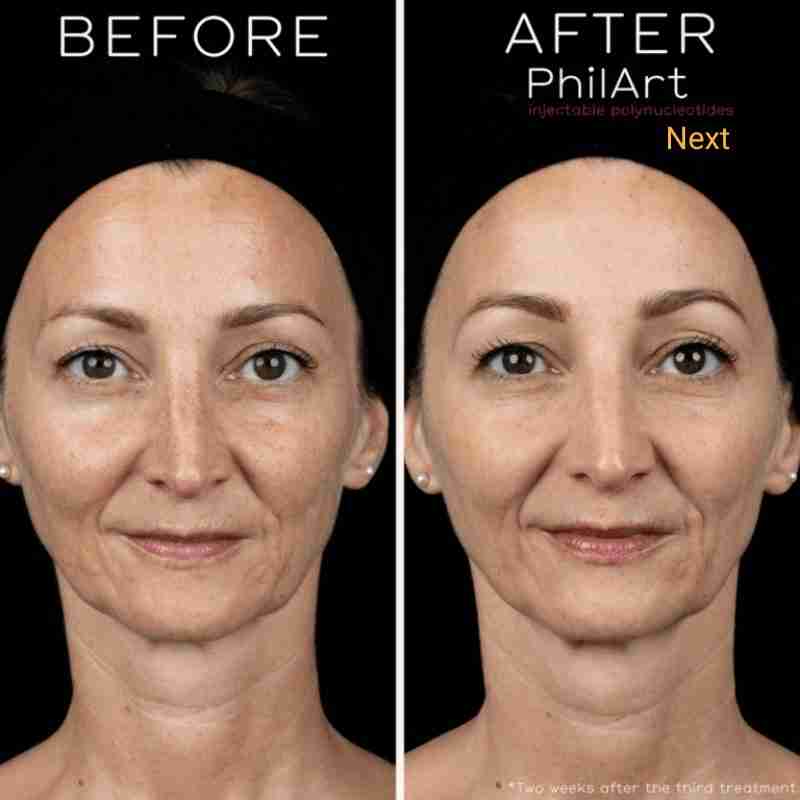
PhilArt Next® (also marketed in some regions as PolyPhil Next 1 x 2 ml) is a next-generation polynucleotide-based injectable medical-aesthetic device developed by Croma-Pharma for skin revitalisation and regenerative aesthetic treatments. The product belongs to the category of polynucleotide (PN) injectables, which are designed to support skin quality through biological tissue-conditioning mechanisms rather than volumisation.
Polynucleotides are highly purified nucleotide chains that have been investigated for their ability to support hydration, contribute to extracellular matrix maintenance, and promote a favourable environment for fibroblast activity. PhilArt Next is positioned as an advanced regenerative injectable intended for patients presenting with visible signs of skin ageing, loss of skin quality, and reduced dermal vitality.
Unlike traditional hyaluronic acid dermal fillers, PhilArt Next is not primarily intended to restore facial volume. Instead, it is used within professional aesthetic protocols focused on tissue quality improvement and skin rejuvenation.
What PhilArt Next Is Similar To
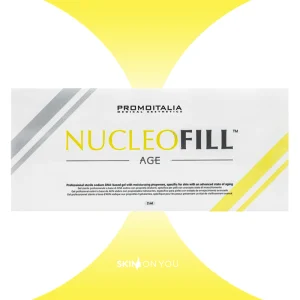
PhilArt Next belongs to the same broad category of regenerative polynucleotide injectables as Nucleofill®, Plinest®, and other PN-based skin revitalisation products. These products share a common objective: supporting skin quality and tissue regeneration through purified polynucleotide technology rather than through volumising mechanisms.
Compared with hyaluronic acid skin boosters such as Profhilo®, PhilArt Next utilises polynucleotides rather than stabilised hyaluronic acid as its principal active component. Both categories are commonly used to address skin quality concerns, but they operate through different biological pathways and should not be considered direct substitutes.
PhilArt Next is also distinct from conventional dermal fillers, which are designed primarily for structural support and volume restoration. PhilArt Next polynucleotides are intended for regenerative and tissue-conditioning purposes rather than facial contouring.
This comparison is provided for clinical orientation only and does not imply interchangeability.
Treatment Areas / Indications
According to publicly available manufacturer and distributor information, PhilArt Next may be used in professional aesthetic treatments involving:
- Face
- Neck
- Décolletage
- Hands
- Areas demonstrating signs of skin ageing or reduced skin quality
Specific indications and treatment areas should always be confirmed using the latest manufacturer IFU and local regulatory documentation.
Usage / Administration (IFU-Only Section)
The following parameters should be verified against the most recent manufacturer Instructions for Use (IFU).
- Injection depth: not provided by manufacturer in publicly accessible IFU documentation reviewed.
- Volume per injection point / site: not provided by manufacturer.
- Needle gauge: not provided by manufacturer.
- Treatment frequency / number of sessions: not provided by manufacturer.
- Professional-use statement: product intended for administration by qualified healthcare professionals using appropriate aseptic techniques.
Some practitioners apply specific regenerative treatment protocols using PhilArt Next; however, these approaches are not included in the manufacturer’s official IFU and should not be interpreted as manufacturer guidance.
Ingredient List
Based on available manufacturer and distributor documentation:
- Purified polynucleotides (PN)
- Sterile physiological carrier solution
- Buffering components
Presentation & Longevity
Packaging
- 1 × 2 ml sterile prefilled syringe
Longevity
A specific duration of effect has not been publicly stated by the manufacturer in reviewed documentation. Treatment longevity may vary according to patient characteristics, treatment area, practitioner protocol, and maintenance schedules.
Longevity: not provided by manufacturer.
Safety Notes / Contraindications
PhilArt Next should be administered only by appropriately trained healthcare professionals familiar with injectable aesthetic procedures.[1]
Common precautions associated with injectable polynucleotide products include:
- Known hypersensitivity to any component of the formulation.
- Active infection, inflammation, or dermatological disease at the intended treatment site.
- Use in patients with compromised wound-healing capacity should be carefully assessed.
- Pregnancy and breastfeeding precautions should follow local clinical guidance and manufacturer recommendations.
Practitioners should always review the current IFU before treatment.
Regulatory Status
- CE-marked medical device (verify current status on product packaging and manufacturer documentation).
- Intended for professional medical-aesthetic use.
- UK market availability should be verified through authorised distributors and current regulatory documentation.
If regulatory details differ by jurisdiction, practitioners should rely on the latest manufacturer documentation supplied with the product.
FAQ
1. What is PhilArt Next – PolyPhil Next 1 x 2 ml?
PhilArt Next is a professional polynucleotide injectable developed for regenerative aesthetic treatments. It contains purified polynucleotides designed to support skin revitalisation and tissue-quality improvement. Unlike conventional fillers, it is generally used for skin conditioning and rejuvenation rather than facial volumisation.
2. How do PhilArt Next polynucleotides work?
Polynucleotides have been studied for their role in supporting hydration and creating a favourable biological environment for tissue repair processes. Scientific literature suggests that PN-based treatments may contribute to improved skin quality and dermal support through indirect regenerative mechanisms.
3. Is PhilArt Next a dermal filler?
PhilArt Next is not primarily classified as a volumising dermal filler. Instead, it belongs to the category of regenerative polynucleotide injectables intended to improve tissue quality and support skin revitalisation. Its treatment objectives differ from traditional fillers used for contouring or volume replacement.
4. How long do PhilArt Next results last?
The manufacturer does not publicly specify a treatment longevity period for PhilArt Next within the documentation reviewed. Clinical outcomes vary according to patient factors, treatment area, practitioner protocol, and maintenance strategy. Practitioners should consult current manufacturer guidance when discussing expectations with patients.
5. How does PhilArt Next compare with Nucleofill?
Both PhilArt Next and Nucleofill belong to the polynucleotide injectable category and are used in regenerative aesthetic medicine. While they share similar treatment objectives related to skin quality improvement and tissue revitalisation, differences may exist in formulation characteristics, clinical protocols, and manufacturer recommendations.