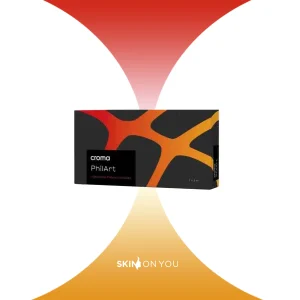
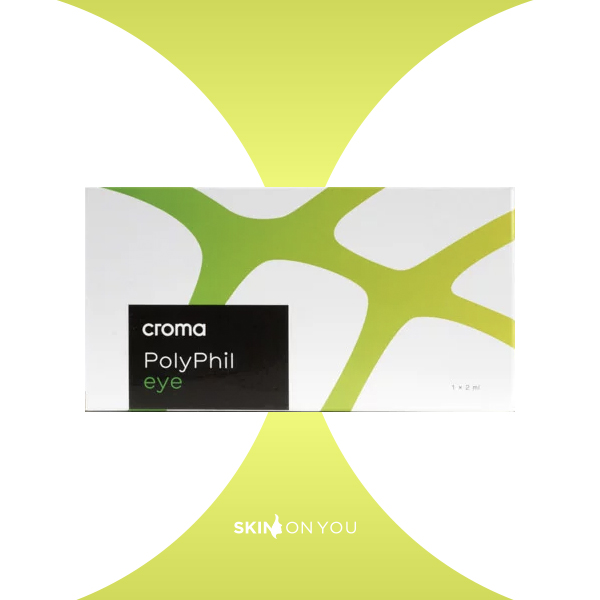
Croma PhilArt Eyes is an advanced bio-stimulator gel by Croma-Pharma, specifically formulated with polynucleotides to enhance collagen production and reduce lines and wrinkles. Ideal for treating upper and lower eye bags, skin imperfections, and fine lines, this versatile solution integrates seamlessly with other aesthetic treatments or can be used independently for natural, long-lasting results.
Pricing is available to registered aesthetic professionals only.
Sign in to view pricesPhilArt Eye (also marketed in some regions as PolyPhil Eye) is a polynucleotide-based injectable medical-aesthetic treatment specifically developed for the delicate periorbital area. Manufactured by Croma Pharma, the product belongs to the PhilArt regenerative medicine range and is designed to support tissue quality, hydration, and skin revitalisation around the eyes through the biological activity of highly purified polynucleotides (PN).
Polynucleotides are purified DNA-derived molecules that have demonstrated hydrating and tissue-supportive properties within regenerative aesthetic medicine. Their mechanism is associated with water-binding capacity, extracellular matrix support, and the promotion of a favourable environment for tissue repair processes.
PhilArt Eye is intended for professional use in patients presenting with signs of periocular ageing, reduced skin elasticity, skin quality concerns, and age-related changes affecting the eye contour area. Unlike volumising dermal fillers, PhilArt Eye is primarily classified as a regenerative biostimulator focused on tissue quality improvement rather than volume augmentation.
PhilArt Eye belongs to the expanding category of regenerative polynucleotide injectables designed for delicate facial areas. It is frequently compared with products such as Nucleofill Eyes (Nucleofill Soft Plus) and Plinest Eye because all utilise purified polynucleotide technology for tissue support and skin-quality improvement.
Like Nucleofill Eyes, PhilArt Eye is intended to address skin quality concerns around the eyes through regenerative mechanisms rather than volume replacement. Both products are commonly used within aesthetic protocols focused on improving periocular tissue quality and hydration.
Compared with hyaluronic acid dermal fillers used for tear trough correction, PhilArt Eye serves a different clinical purpose. Whereas HA fillers primarily provide structural support and volume, PhilArt Eye focuses on tissue revitalisation and regenerative support.
This comparison is provided for clinical orientation only and does not imply interchangeability.
Based on publicly available manufacturer and distributor documentation, PhilArt Eye may be used in:
Professional-use disclaimer: The product should be administered only by appropriately trained healthcare professionals operating under aseptic conditions and in accordance with local regulations and manufacturer guidance.
Some practitioners utilise specific injection protocols for the periocular area; however, these methods are not included within publicly accessible manufacturer IFU documentation and are therefore not reproduced here.
Clinical outcomes and duration may vary according to patient characteristics, treatment objectives, practitioner technique, and maintenance protocols.
A complete contraindication list was not identified within publicly accessible manufacturer documentation reviewed.
General precautions include:
Consult the latest manufacturer IFU and product packaging before clinical use.
Regulatory classification not specified in public documentation; verify on the product pack or manufacturer’s IFU.
PhilArt Eye is a professional polynucleotide injectable developed specifically for treatments targeting the delicate skin surrounding the eyes. The formulation contains purified polynucleotides that are designed to support hydration, tissue quality, and regenerative processes within the periocular region. It is generally considered a regenerative treatment rather than a volumising filler.
PhilArt Eye utilises purified polynucleotides, which are known for their water-binding and tissue-supportive properties. In regenerative aesthetic medicine, these molecules are used to support extracellular matrix function and create favourable conditions for tissue renewal. The product is intended to enhance skin quality rather than provide structural volume replacement.
No. PhilArt Eye and tear trough fillers serve different purposes. Traditional hyaluronic acid fillers primarily restore volume and structural support, whereas PhilArt Eye is designed to support tissue quality and regeneration around the eyes. Practitioners may select one or both approaches depending on individual patient assessment and treatment objectives.
Based on the manufacturer and distributor information reviewed, PhilArt Eye is marketed as a polynucleotide-based treatment. A hyaluronic acid component was not identified within the publicly available documentation assessed for this description. Practitioners should review current manufacturer specifications for complete formulation details.
The manufacturer does not provide a universally applicable longevity claim within the publicly accessible documentation reviewed. Treatment outcomes may vary according to individual patient factors, skin condition, practitioner technique, and maintenance schedules. Clinical expectations should therefore be discussed during professional consultation.
Let’s talk on WhatsApp