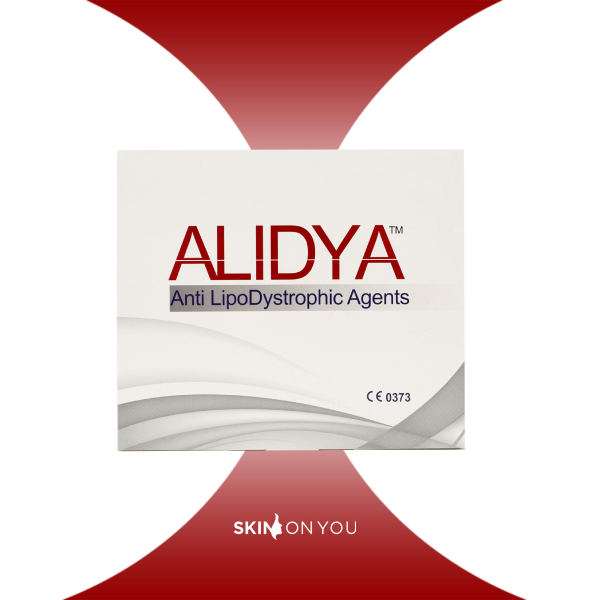
Alidya 5×10 is a professional injectable solution developed specifically for the management of cellulite and its visible effects. The formulation is designed to support tissue quality, microcirculation, and extracellular matrix balance while helping reduce the appearance of orange-peel skin and cellulite-related irregularities.
Suitable for areas such as the thighs, buttocks, abdomen, and hips, Alidya is frequently incorporated into mesotherapy protocols for patients seeking a non-surgical approach to cellulite management. Interest in alidya cellulite treatments continues to grow among aesthetic practitioners looking for targeted solutions for gynoid lipodystrophy, while searches for alidya cellulite reviews commonly focus on improvements in skin texture and cellulite appearance.
Pricing is available to registered aesthetic professionals only.
Sign in to view pricesAlidya 5×10 is a CE-marked injectable medical device developed by Marllor Biomedical for the prevention and treatment of gynoid lipodystrophy, commonly known as cellulite. Unlike traditional fat-dissolving products, Alidya is designed to address several physiological factors associated with cellulite, including extracellular matrix imbalance, tissue oxygenation, microcirculation dysfunction, and oxidative stress.
The formulation consists of a polyamino acid complex supplied as a powder for reconstitution with a dedicated solvent. According to manufacturer and distributor information, Alidya aims to restore normal adipocyte homeostasis and improve the appearance of cellulite-related skin irregularities such as orange-peel texture and tissue dimpling. It is commonly used as part of mesotherapy-based cellulite management protocols for areas including the thighs, buttocks, abdomen, hips, and knees. Clinical protocols generally focus on improving skin texture and tissue quality rather than producing significant fat reduction.
Alidya belongs to the category of injectable anti-cellulite and mesotherapy treatments. It is often compared with products such as Celluform®, Sunekos Cell®, and other mesotherapy formulations used for cellulite management and skin quality improvement.
Unlike deoxycholic acid-based fat dissolvers that primarily target adipocyte destruction, Alidya focuses on restoring extracellular tissue balance and supporting microcirculation. This distinction makes it more suitable for cellulite treatment rather than localized fat reduction.
Compared with regenerative mesotherapy products that primarily stimulate collagen production, Alidya specifically targets factors associated with cellulite development, including tissue oxygenation, extracellular matrix alterations, and adipose tissue homeostasis. Treatment goals are therefore generally focused on improving skin smoothness and reducing visible cellulite irregularities rather than body contouring alone.
This comparison is provided for clinical orientation only and does not imply interchangeability.
According to manufacturer-aligned sources, Alidya may be used for:
Indications include:
Manufacturer-aligned sources indicate that improvements are commonly maintained for approximately 12 months, after which maintenance treatment may be considered.
Results vary according to cellulite severity, patient characteristics, lifestyle factors, and treatment protocol.
As with other injectable treatments, temporary redness, swelling, tenderness, bruising, and injection-site discomfort may occur following treatment.
UKCA status: Verify via current IFU, manufacturer documentation, or authorised distributor.
FDA status: No publicly available FDA approval identified for Alidya cellulite treatment.
Alidya is an injectable anti-cellulite medical device developed specifically for the prevention and treatment of gynoid lipodystrophy (cellulite). It is designed to improve tissue quality, support microcirculation, and reduce the visible appearance of cellulite-related skin irregularities such as dimpling and orange-peel texture.
Unlike traditional fat-dissolving products, Alidya is intended to restore physiological balance within the extracellular matrix and adipose tissue environment. Manufacturer information indicates that the formulation supports tissue oxygenation, microcirculation, and adipocyte homeostasis while helping improve cellulite-related skin changes.
Alidya is commonly used on the thighs, buttocks, hips, abdomen, stomach, knees, and upper arms. These are among the areas most frequently affected by cellulite and associated tissue irregularities.
Manufacturer-aligned protocols typically recommend one treatment session per week for a total of 7–12 sessions, depending on the severity of cellulite and practitioner assessment. Maintenance sessions may be performed after approximately one year when required.
Available professional feedback and published user discussions indicate that most interest in alidya cellulite reviews centres on improvements in skin texture, reduction of visible dimpling, and smoother skin appearance. Individual outcomes vary considerably depending on cellulite severity, treatment protocol, and lifestyle factors. Community discussions also note that evidence remains more limited than for some established aesthetic procedures.
Let’s talk on WhatsApp